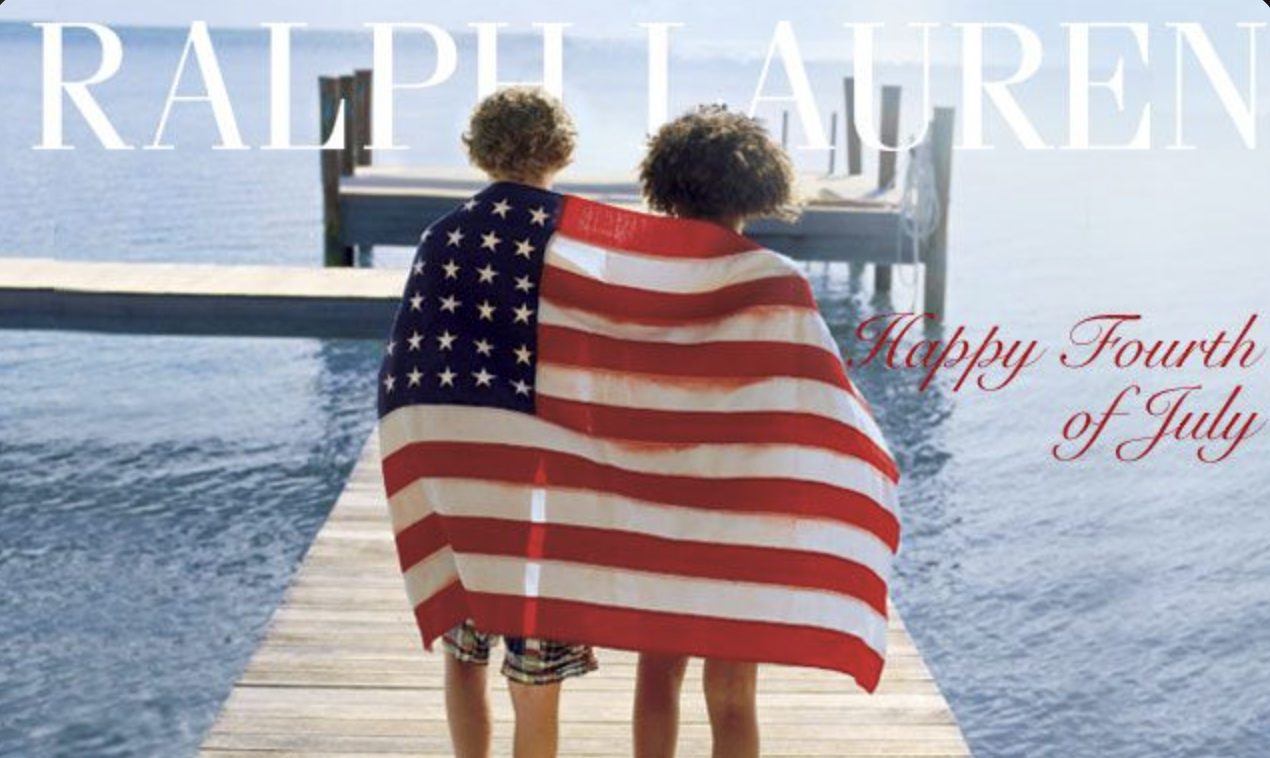
The American Dream promises that anyone can become somebody. Fashion has made a business out of convincing us that all it takes is the right wardrobe. Yet the industry selling us this fantasy remains deeply invested in the hierarchies that determine who gets to live it.
The American Dream promises us that social mobility is achievable, and more tangibly, available to anyone willing to put in the countless hours required to turn said dream into physical reality. There are very few industries that have displayed this as clearly as the fashion industry has: the clothes we decide to wear grant us the possibility of living within a facade, acting as the person you have yet to become.
Nonetheless, among all the criticism of the American Dream, which is becoming increasingly valid, considering the discourse around the fact that the American Dream may never have been real at all, the fashion industry contradicts the idea of said dream the hardest, while being its biggest reinforcer. Fashion sells you the possibility of becoming someone: luxury campaigns do well because they convince you that there is a reality in which you become the person advertised. Yet, simultaneously, the industry reinforces the exact hierarchies that determine if you fit into that mold at all.
In post-war America, aspiration was the most prominent human trait. It was seen within the ideal suburban family, women dressed in structured, perfectly tailored shirtwaist dresses, with the men in respectable greys and flannel suits. These clothing choices communicated stability, and moreover, social acceptance. Not only did it signal that you have made it, but also that you belong within a society heavily governed by conformity.
Of course, as time went on, these codes changed. By the 1980s, designer labels had successfully transformed fashion into a way for people to project success, rather than simply use it as a way to reap your rewards. Herein comes Ralph Lauren, who commercialized the image of aristocratic heritage, and Calvin Klein who took desire and individualism, and repurposed them into a recognisable clothing style. At this point, it would be fair to say that you no longer needed to actually be wealthy, to project the codes of the elite.
Nowadays, the American Dream has evolved even further: it has a social media account prevalent on everyone’s feed. Financial anxieties rise, homeownership, and the traditional security that comes with a stable career become increasingly distant hopes and dreams that no longer seem reachable, particularly among younger generations. Thus, this generation has pivoted towards visibility and entrepreneurship as the most prevalent alternate measures of success.
Nonetheless, the psychology behind these constantly changing aesthetics remains the same. We as a society crave the safety of belonging and being socially accepted, while also going to considerable measures to establish distinction. We want the group to accept us, while making it inherently clear where our position within it is, and fashion caters to both instincts, allowing you to wear the codes of belonging, and acquire the instruments necessary for differentiation.
Leave a Reply